Raoul Kevenhörster’s photographic works “ZWISCHENRAUM”
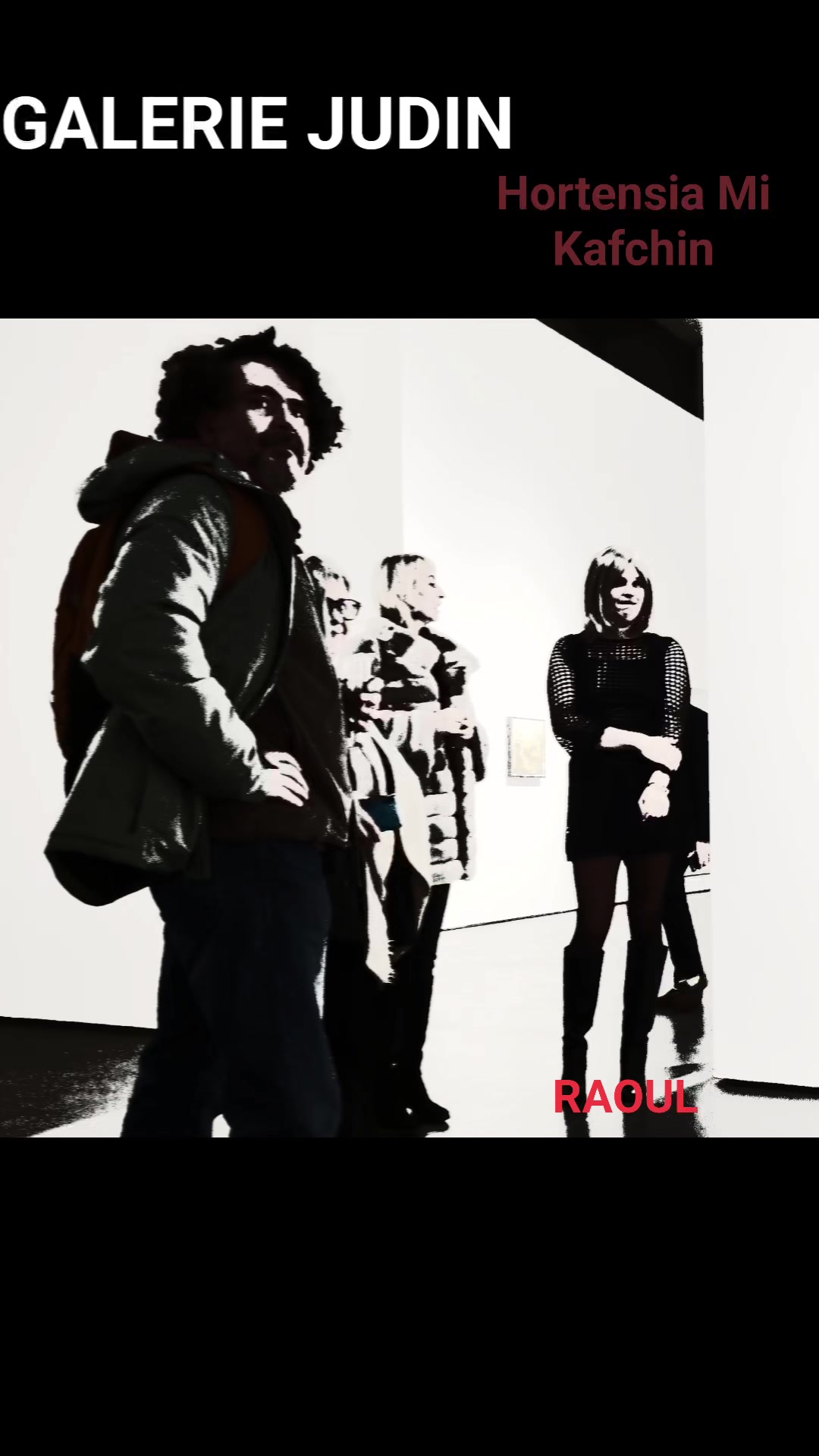
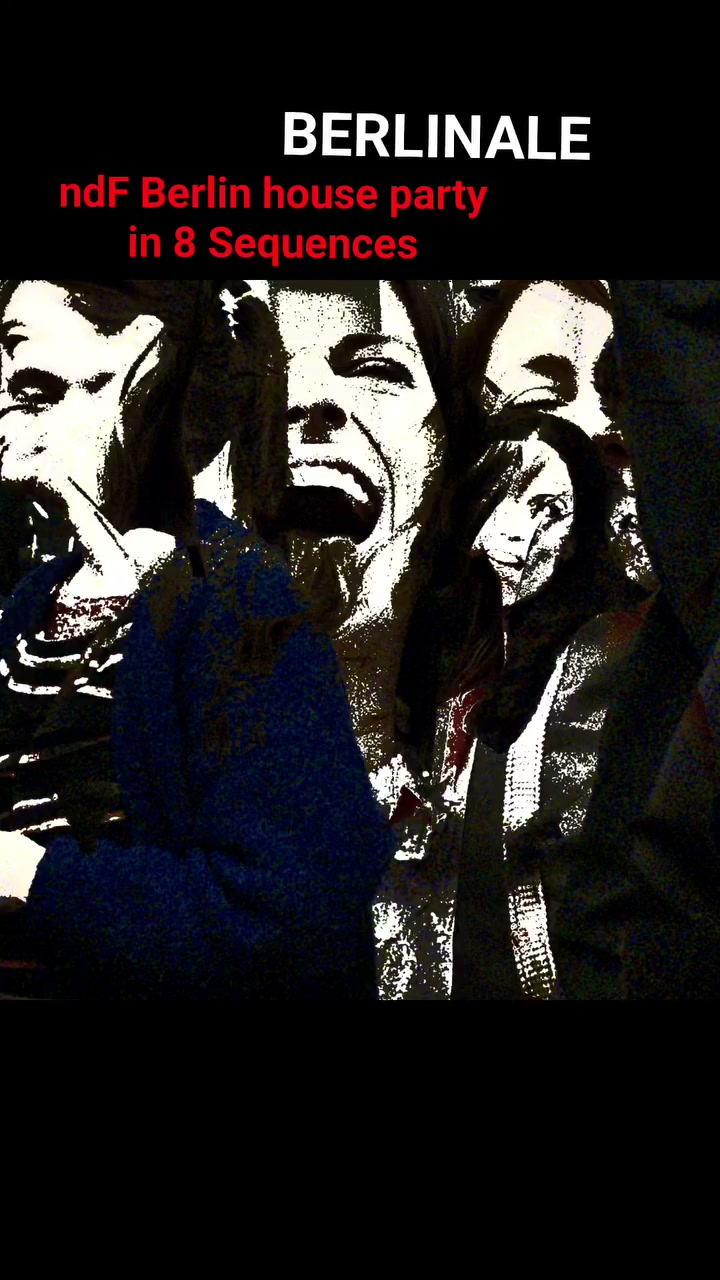
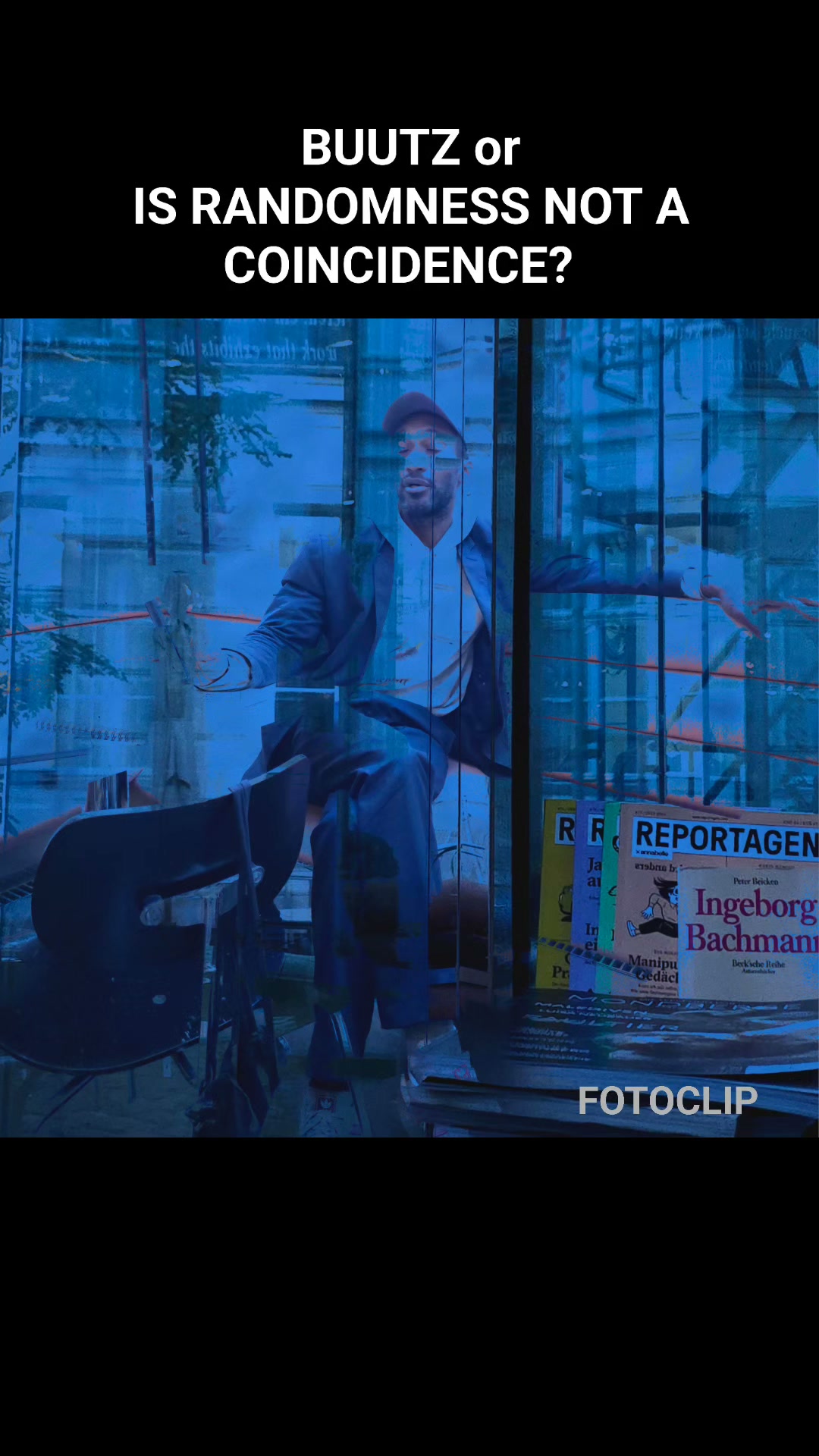
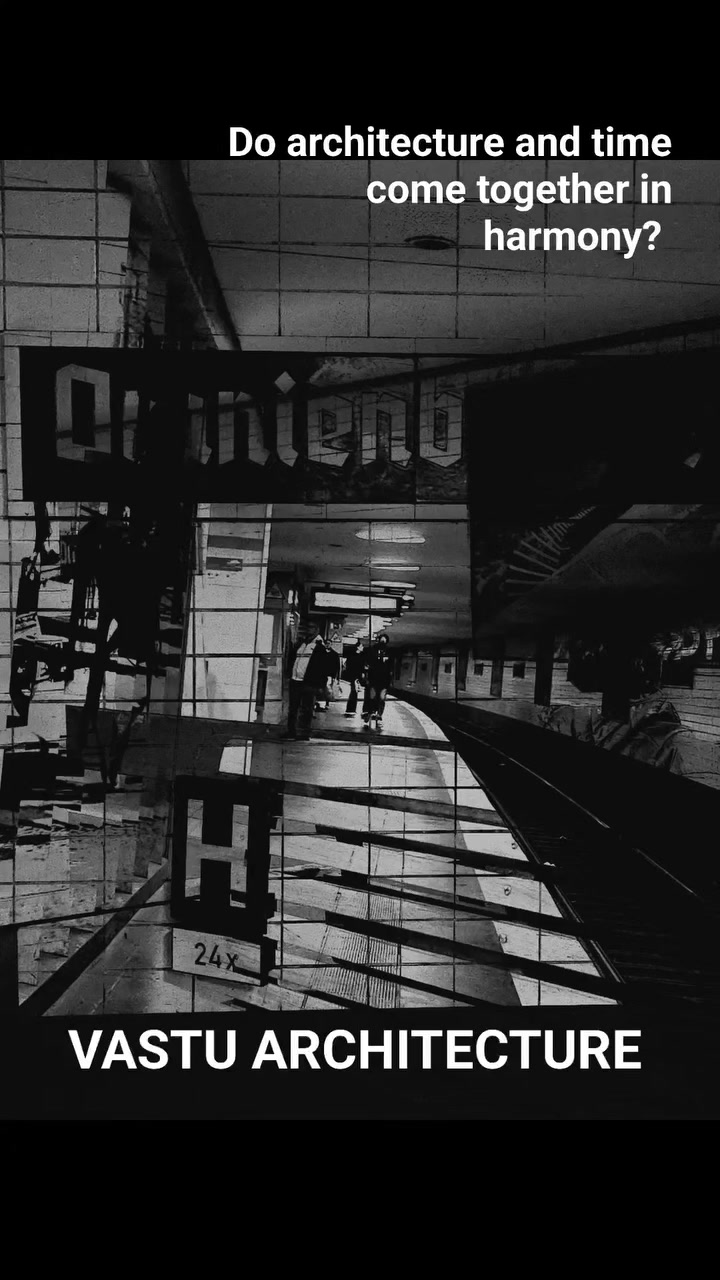
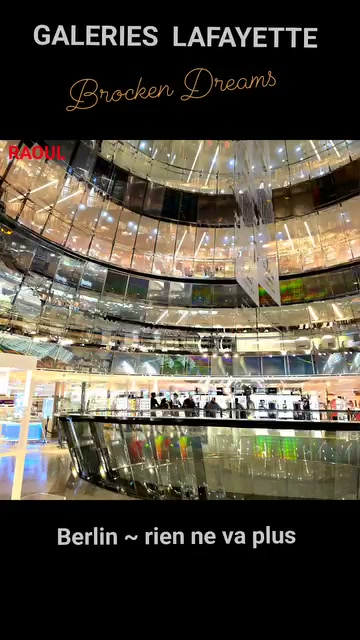
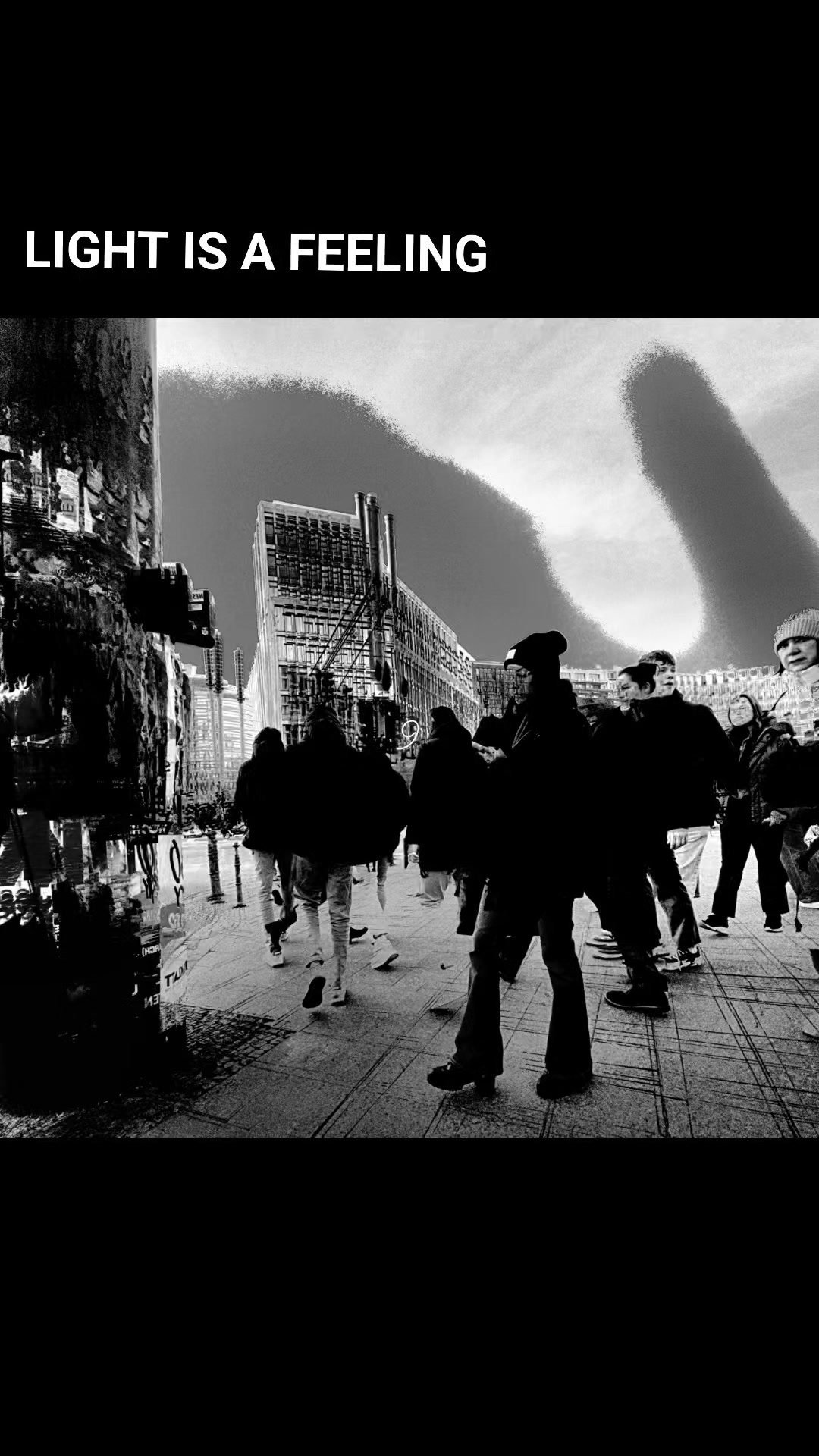
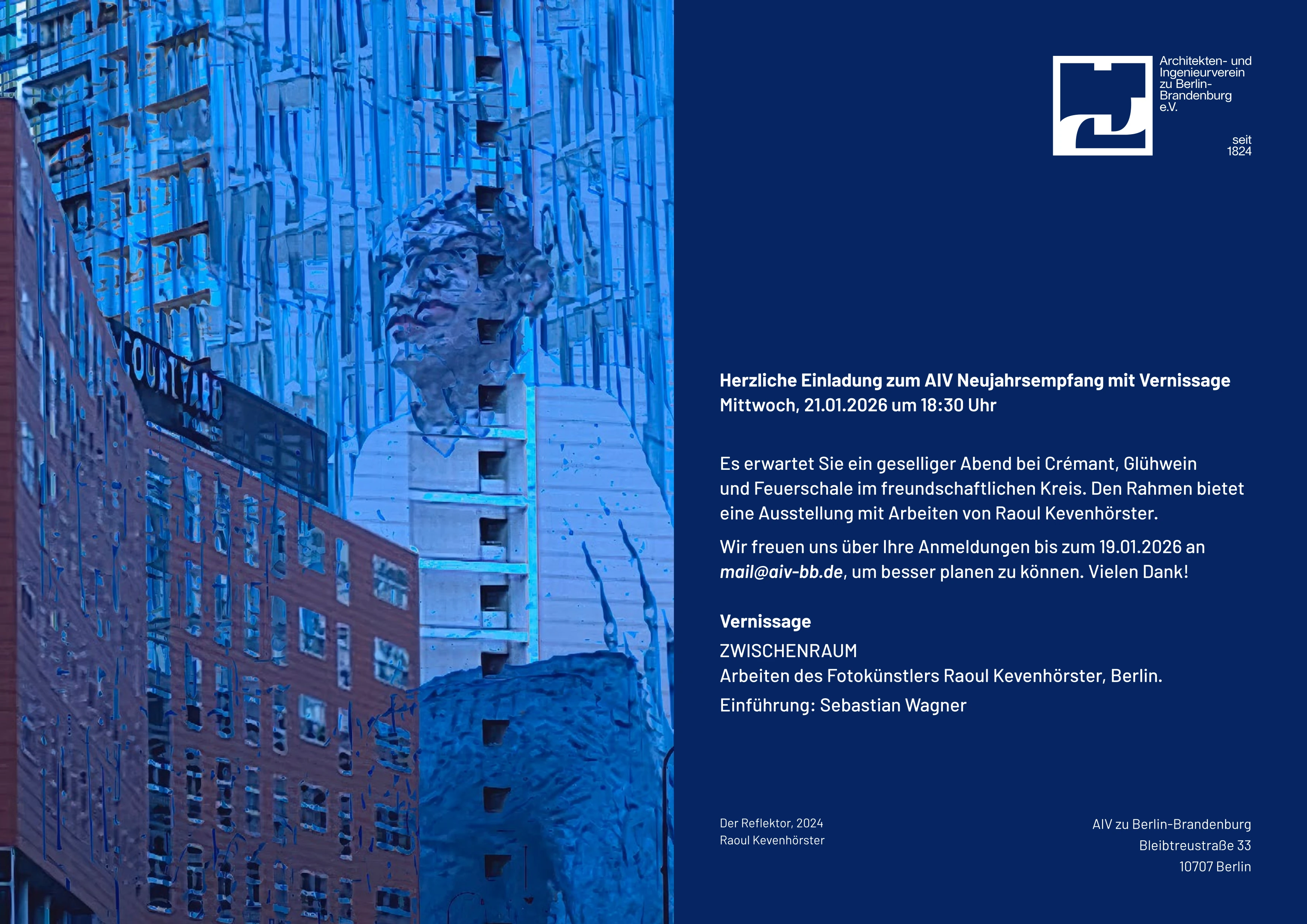
Photography is on the agenda at the AIV zu Berlin-Brandenburg e.V.: “ZWISCHENRAUM” showcases works by Raoul Kevenhörster (introduction: Sebastian Wagner). The focus is on photography as a process of perception – brief moments in time, movement, light, geometry, atmosphere. The gaze turns to urban interstices and temporary states, to identities that are not fixed.
Read full article
evidare magazin
THE ESSENCE OF LUXURY LIFESTYLE
Raoul Kevenhörster – Artist, Observer
Crémant, mulled wine, a fire pit: it is with this very combination that the Association of Architects and Engineers of Berlin-Brandenburg (AIV) is hosting a reception today, 21 January 2026, at Bleibtreustraße 33 in Berlin-Charlottenburg. The event begins at 6.30 pm. The setting is provided by an exhibition opening: “ZWISCHENRAUM” featuring works by Raoul Kevenhörster, with an introduction by Sebastian Wagner.
Read full article
AZ/Architektur Zeitung
Architecture Journal
The Poetry of Pure Observation
Raoul Kevenhörster observes the viewer. The everyday person standing at the traffic light,
looking at their phone, inwardly absent and outwardly unremarkable. The exhibition visitor,
the casual passerby shopping, on the escalator, at the bus stop – all of them in the stillness
of still-ness.
In a contemporary version of the expressionist poster language, he composes these
images in superimpositions to create masterfully clear, transparent yet powerful pictures.
As in a dream, the images overlap into an inseparable unity – one is looking straight ahead
and to the side at the same time, one person is simultaneously two different people…
impossible in reality, perfectly logical in a dream. The same is true of Kevenhörster’s
pictures.
The digitally created collages are neither one nor the other – neither spatial nor graphic,
and yet both are fused into an unfathomable unity. They invite us to enter a controlled
chaos, a panorama that presents fragments of reality as if in a circus ring, but we are the
ones providing the show – Kevenhörster triggers our own memories, which we ourselves
rearrange into new patterns in the face of his art.
Like the collision of oppositely charged elementary particles, the images partially annihilate
each other, releasing energy in the process. The result is silence, but a silence that also
narrates the explosion of its creation, like a cloud chamber obscuring the innocent paths of
its origin.
Kevenhörster removes himself from this narrative as the narrator. That is entirely sufficient
– fragments of faces, an enclosing architecture, the shadows and reflections flitting about,
sometimes joyfully, sometimes menacingly: they all tell the story of modern life from the
perspective of an artist who has chosen to remain silent.
He who has chosen not to interfere in the ordinary process of life, and who, precisely by
doing so, gets his hands on its raw material, as if he had molecular acid at his disposal,
like the alien whose uncanny presence thus devours its way through the spaceship, floor
by floor.
The forms are sometimes difficult to remember because they are unfamiliar to us, but it is
precisely through this unfamiliarity that the canon of their language becomes ingrained.
Taken together, they form the rushing, iridescent ribbon of contemporary life, which
normally passes us by in a numbing rush. Here in Kevenhörster’s work, it sears itself onto
the cerebral cortex and cannot be erased once one has viewed his images.
Therefore, they are best presented as series of images, as montages in the truest sense of
the word. Often, the flow of time replaces the third dimension. Adorned with philosophical
quotations from Schopenhauer, Newton, or Sartre, they become evidence in a criminal
case – helping us to uncover the crimes modernity has committed against our perception
of reality.
Haste, triumphant and harsh, clamors to push its way to the forefront. But Kevenhörster’s
figures march along seemingly unconscious paths, if one can put it that way, as if they
were ultimately just light and color on a screen. They glide across the retina, like the
shifting of gaze in a dream.
The casual and profane nature of the images also reveals the ugliness and poverty of
modern life, even though we are materially richer than any generation before us. We have
been robbed, as Charles Bukowski once put it.
However, the skeletal shadows of the modern world do not triumph in Kevenhörster’s work,
as they do, for example, in the accusatory works of the aforementioned expressionist
poster art. They make a spectacle of themselves, but Kevenhörster puts them all in their
place. Like Wile E. Coyote, who, tricked by the Road Runner, plunges into the canyon,
leaving only a Wile E. Coyote-shaped hole in the ground – so too does the composer’s
quiet, contented smile defuse the brief, albeit intense, pain of reality. Here is someone who
knows what pain means.
A meticulously raked Zen garden survives wars, palace revolutions, and changing rulers,
and it also ignores them. Raoul Kevenhörster rakes Zen gardens into our consciousness,
gently, persistently like a Zen master, powerfully like river water.
Once you’ve seen his series of images, you can’t walk, drive, or hurry through Berlin
without thinking of them.
Of islands of stillness made up of forms, colors, faces, buildings, streets, and art. That is
true beauty – found even when you weren’t looking for it.
Armin Völckers, Nov. 2025
Armin Völckers
Painter and filmmaker
I know Raoul Kevenhoerster, amongst other things, for his cinematic and character-driven photographic art, which is characterised above all by his sensitive, creative and innovative perspective on people, moments and social issues. Expressing new ways of seeing and new perspectives runs like a thread through his work.
Raoul draws on his own unique life experiences, demonstrating a curiosity, openness and an unyielding desire to express himself, which is also reflected in his acting ambitions.
I also admire his talent for engaging with social issues despite all obstacles and actual disadvantages, enriching those around him through his empathy and alert mind, and blazing new trails with an unyielding will. Creative, yet practical in life.
If powerful acting charisma is fuelled by an unyielding desire for change, extraordinary actions and infectious enthusiasm, Raoul is undoubtedly an enriching participant in relevant acting workshops – and a strong casting option for suitable roles in productions that demand authenticity.
Hans Koch
Managing Director of ndF Berlin, Producer
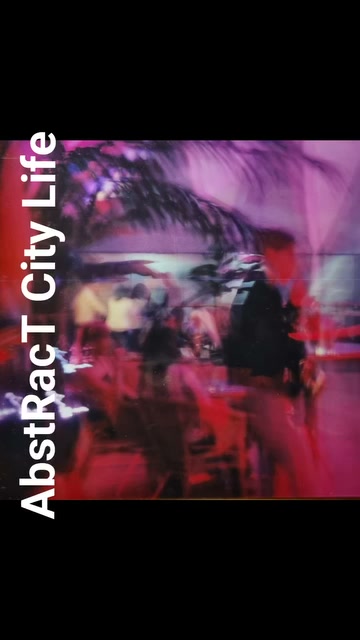
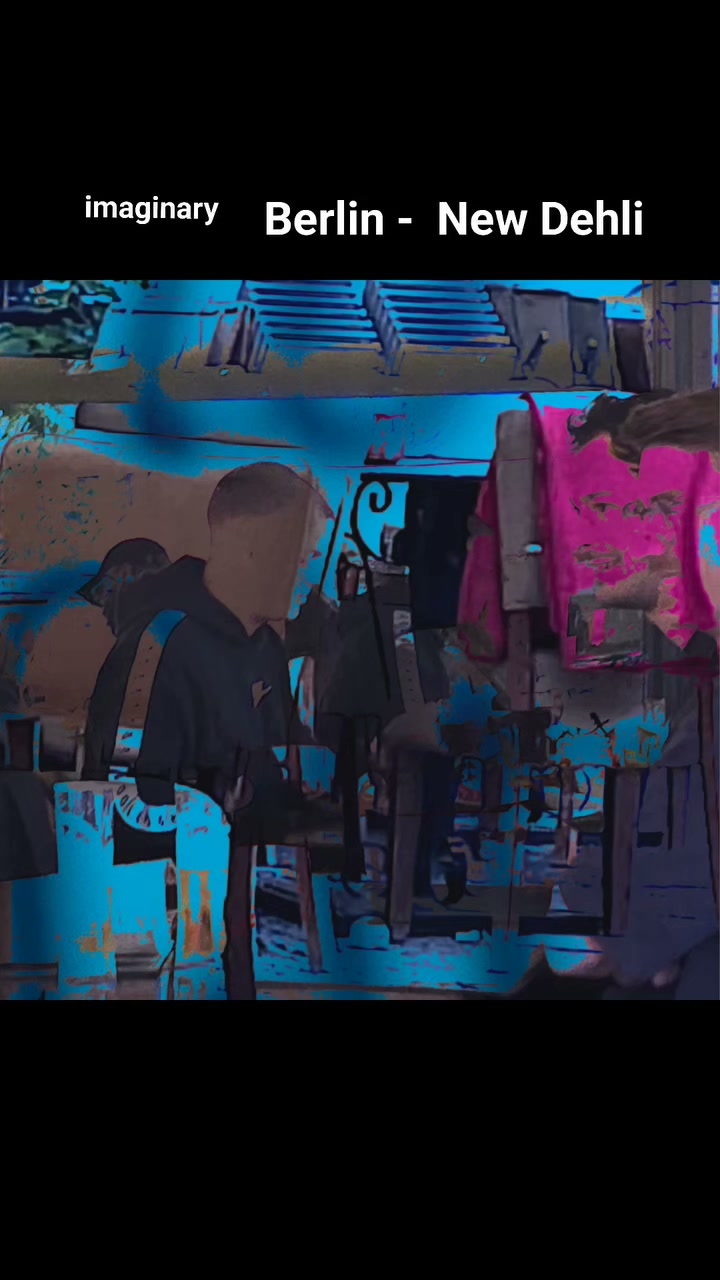
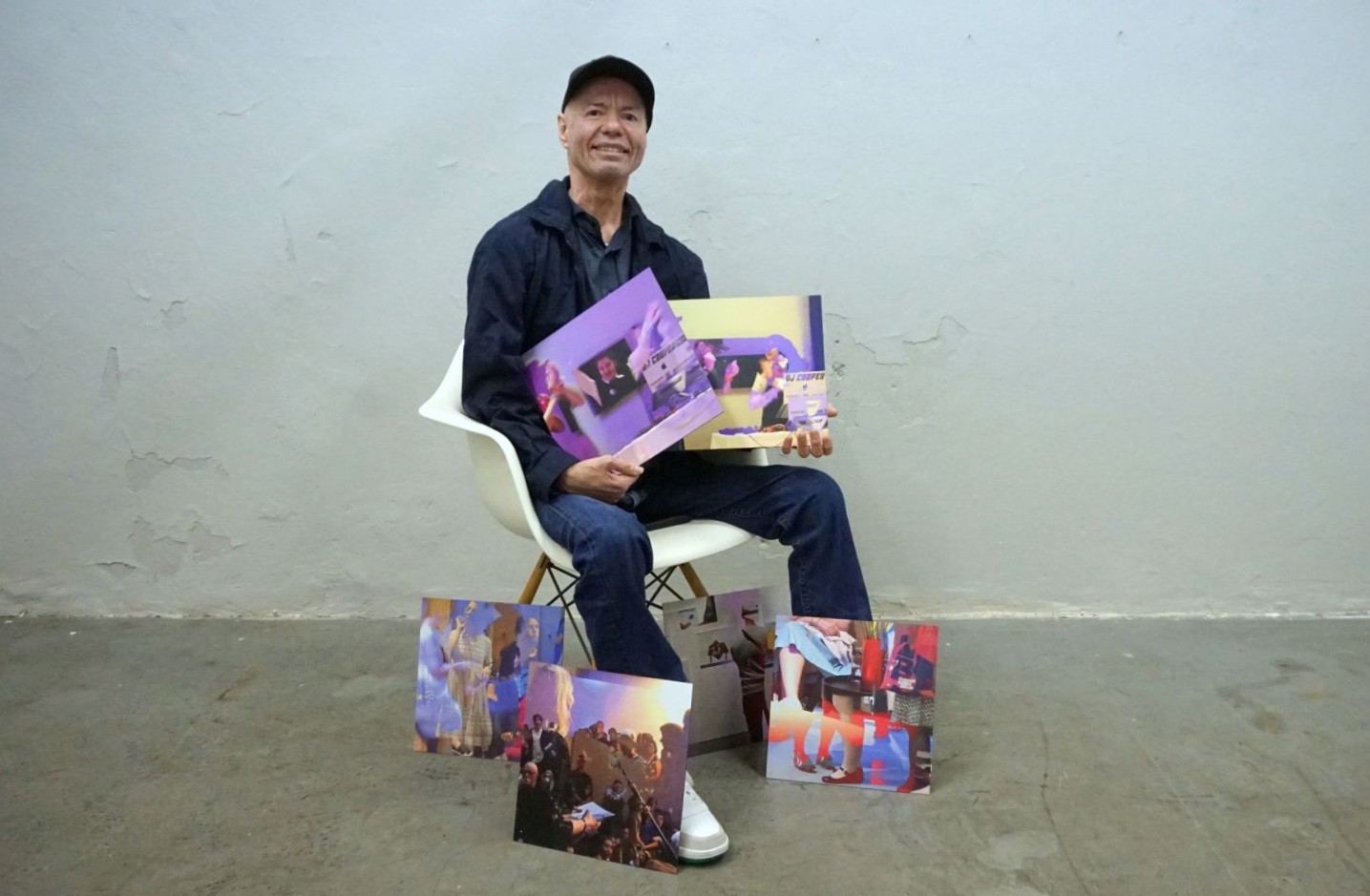
Raoul Kevenhörster is a photographic artist based in Berlin, whose work is characterised by the technique of multiple exposure and the fusion of reality with an inner visual world. In his photographic compositions, different layers overlap to form poetic visual spaces that oscillate between dream and reality.
A central element of his creative process is a state of intense inner concentration, which the artist describes as a ‘vacuum’. In this moment of mental clarity, his visual concepts emerge instinctively, often in a matter of seconds, before being realised in the camera through multiple exposure. Kevenhörster describes this process as working from his innermost self – beyond external influences.
It was also remarkable that Kevenhörster completely refrained from digital post-processing. His photographs are created directly in the camera – without the use of tools such as Photoshop or similar image-editing software. This deliberate reduction lends his works a particular authenticity and underscores the performative nature of his photographic process.
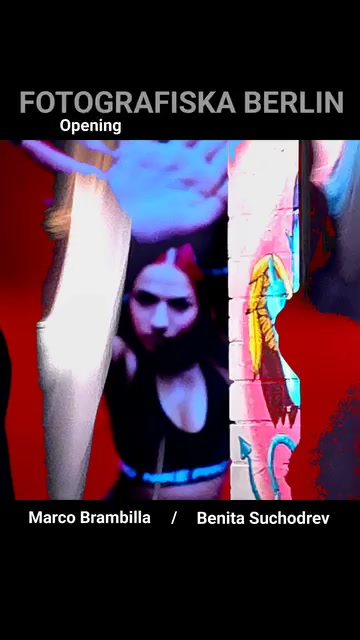
In terms of content, his works revolve around existential themes such as transience, pain, memory and transformation. A recurring visual motif is what he calls ‘red noise’ – a dominant colour structure that for him symbolises both danger and alarm as well as passion and vitality.
Raoul Kevenhörster’s works are not only aesthetically condensed visual worlds, but also a powerful call for conscious observation. His works invite us to understand reality as a multi-layered, often contradictory structure and open up a space for reflection on perception, identity and the human condition.
A guiding principle that accompanies Kevenhörster’s work comes from the French artist Francis Picabia: “The head is round so that thought can change direction.” This principle of shifting perspective runs through his entire oeuvre.
Klaus Memmert
Dr. Klaus Memmert
Atelier und Showroom Galerie Beyond Reality
I have known Raoul Kevenhörster in various contexts. I have encountered him as a participant in various film-specific seminars, through his work at the Movie-College and Allary-Film, TV & Media in Munich, and as a creative photographer.
He has devised exciting, creative and surprising solutions in both theory and practice across all areas of media production, and has developed his own unique approach to all subjects.
He has reported on various film festivals, their films and approaches, has authored specialist articles on topics including ‘Accessible Filmmaking’, and possesses comprehensive visual knowledge of all film-making processes and acting skills.
I can wholeheartedly recommend him for all kinds of media projects.
Prof. Mathias Allary
Prof. Mathias Allary
Movie-College and Allary-Film, TV & Media in Munich
Single-frame photography
A photograph is always a representation of the outcome of a sequence of events. It captures the state of reality at a given moment. The sequence of preceding events of varying duration is evident in the arrangement and nature of the various spaces and objects, such as landscape and vegetation, buildings and plants, the state of clothing, fallen leaves and chewing gum wrappers, and the immediate conditions such as light, clouds, the state of surfaces, pedestrians and vehicles, gestures and faces. The single image shows no movement. Different viewing angles and temporal sequences are reproduced in series of images.
Multi-exposure scenes
The multi-exposure photographs depict the final brief scene of a long period of time that has led to the current state. The exposure time for these photographs is a maximum of 120 seconds when taken live. When shooting in public, just as in the studio, it is necessary to plan the sequence of events in advance. In the studio, it is possible to ensure that the 120-second sequence proceeds without disruption; when shooting in public, disruptions are incorporated in advance wherever possible in order to maintain the intended staging.
Simultaneity
In a single photograph, therefore, not only the result of a sequence but also a brief part of the sequence itself is depicted simultaneously. Spatial coherence is complemented by temporal coherence. The spatial elements of the scene make the temporal events visible or determine them, such as the change in light on a façade caused by passing clouds, a car’s headlights or streetlights just switched on, trees in the wind, cars driving along a road, an awning being lowered, passers-by stepping aside, the gestures of a conversation. The various viewing angles in the multiple-exposure scenes reveal the spatial expanse within which the movement takes place. The movement within the momentary state of reality is captured.
Fritz Göran Vöpel
Fritz Göran Vöpel
Digital architectural reconstruction
My name is Stephan Beutner and I am the Chair of the German-Indian Society Berlin e.V. (DIG Berlin). Our association is dedicated to fostering German-Indian relations by organising cultural, social and educational events for a German audience with an interest in India. We support members of the Indian diaspora in settling into life in Berlin and provide a platform for exchange, dialogue and cooperation between India and Germany in the fields of culture, society, science and the arts.
It is my pleasure to write this letter of recommendation for Mr Raoul Kevenhörster, who is a valued member of our association and an exceptionally talented photographer with a keen interest in India.
Mr Kevenhörster has long demonstrated a deep interest in Indian culture, particularly in the fields of art, visual aesthetics and contemporary photography. His aim is to work closely with Indian and India-related arts organisations, institutions and creative communities – both in Germany and in India.
As a photographer, Mr Kevenhörster brings a highly distinctive style and a unique artistic vision to his work. His work is characterised by double and multiple exposures that create new layers of meaning which transcend the conventional boundaries of photography. These complex, superimposed images – created in several stages, much like overpaintings or palimpsests – form abstract compositions that transform and alienate reality, offering entirely new perspectives on the here and now. His technique has attracted attention due to its conceptual depth, visual richness and ability to stimulate intercultural artistic dialogue.
The board of DIG Berlin believes that Mr Kevenhörster’s artistic projects and cultural engagement deserve a high degree of support, exchange and collaboration. He is a reliable, prudent partner whose work offers considerable potential for intercultural creativity and the strengthening of Indo-German artistic relations.
I would be very grateful if you could kindly support Mr Kevenhörster in his efforts to establish contacts with interested artists, photographers, networks and institutions.
On behalf of the Executive Committee of DIG Berlin, I would like to thank you for your support and am happy to provide further information.
Stefan Beutner
Stefan Beutner
Chairman of the German-Indian Society Berlin e.V.